
Bubble Hash: A journey through history – The history of hashish
Hashish – also referred to as Hash – is considered to be the original cannabis concentrate. Humans have been producing, using and consuming it for centuries all over the world, with a few countries standing out as producing countries because of their unique cultivators, climates and cannabis expressions that make some seriously good Hash.
According to “Cannabis: A History” (Martin Booth, 2003), the earliest published mention of the term “hashish” is found in an Egyptian pamphlet from around 1123 – almost a 1000 years ago! (The book is available in Amazon: https://www.amazon.com/Cannabis-History-Martin-Booth/dp/0312424949)
The history of Hash or Hashish is diverse and unique to a number of “producing countries around the world”. From places like Morocco, Egypt, the Persian Empire and the whole of Europe. However, producers in the mountains of India and Nepal most famously create “historic hash,” known there as charas.
The production of charas
The production of charas involves rubbing live cannabis buds right at the end of their flowering cycle.. The sticky plant resin sticks to the hands of the Hash maker as they rub from flower to flower collecting layers of resin on their hands as they go. Once this layer is thick enough it will be removed from the hand by collecting the resin on a finger and slowly peeling it off to form one mass.
People often heat this mass of resin to activate it before preparing it for storage and curing. In India and the mountains of Nepal, a famous means of preparation for storing and curing resin is the temple ball, a spherical mass of resin that is left to cure often for years.
The curing process is believed to impart a mystical effect on the resin, a quality absent in young, uncured, and unpressed material. However, this effect remains largely undefined. The Charas is primarily consumed by smoking it. Either by mixing it with Tobacco and rolling it into a “Spliff” or even more effectively – in a Chillum. Consuming charas involves various methods, including ingestion. People consume it by drinking preparations like Bhang (a yogurt-based cannabis drink) or by eating or chewing the resin and swallowing pieces.
Hash then moved west
So how did Hash get from its places of origin and into the culture as we see it today? According to a study done by the European Monitoring Centre for Drugs and Drug Addiction in the early 2000’s, hashish first began to move to countries like Europe when colonizers returned to their home nations from countries like India, Egypt and Morocco. The first mention of hash can be found in European texts by German botanist, Johann Gmelin in 1777.
As you can imagine, Hash gained traction in many European countries fairly quickly. Realization and interest in the medical benefits of Hash grew in the U.S. toward the end of the 19th century. Interestingly, historical uses of hash included treating conditions such as depression, nausea, diarrhea, and appetite loss, many of which remain relevant today. This highlights the versatility of hash, with its applications expanding to treat a wide range of conditions in both humans and animals.
Types of hash
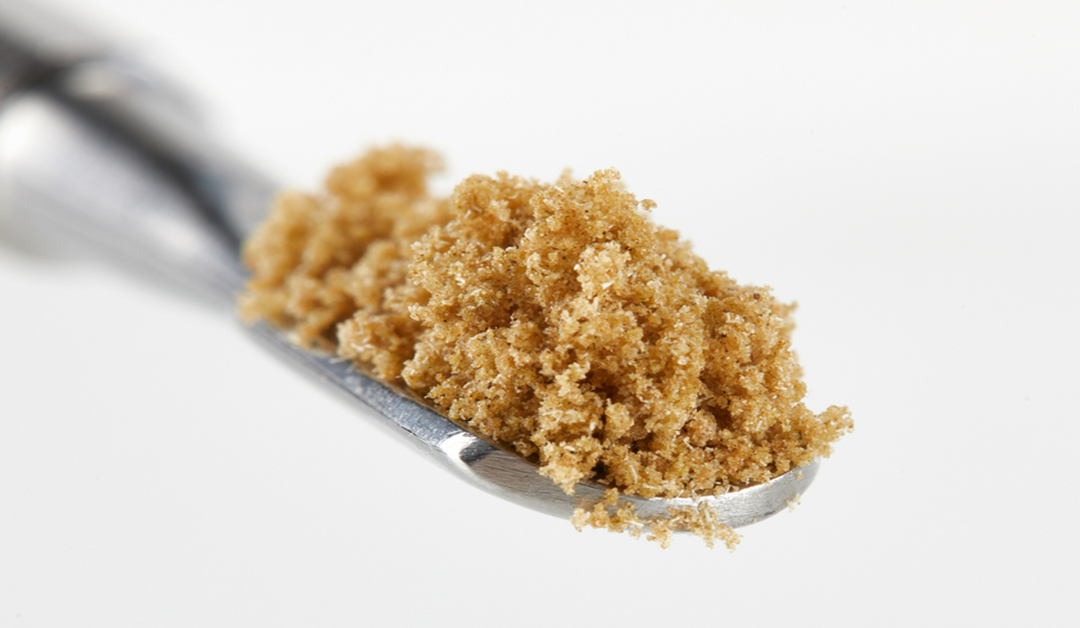
Today, “Hashish” exists in a galaxy of colours, textures, smells and effects. The most popular of which is referred to as Bubble Hash. Bubble Hash production involves agitating cannabis in ice water. Subsequently, the mixture undergoes filtration through a series of micron sieves, separating the plant material from the resin-filled trichome heads found on the leaf surfaces of buds, leaves, and trim.
Dry sifting, another method for hash production, utilises a technique similar to that found in many producing countries. In this process, producers agitate dry plant material over a porous mesh screen. This screen is designed to allow trichome heads to pass through while effectively retaining most unwanted plant material.
The collected sift material undergoes further processing using various methods, such as rosin extraction or hand pressing. Alternatively, it can be consumed directly as desired, when desired.
To find out more on the solventless creation of fine hash follow our blog posts: https://www.fullmeltfiltration.com/blr9
You can also visit our shop (https://www.fullmeltfiltration.com/shop/) to see some of the mechanical extraction bags that we supply.